Knitting For Profit

Knitting information, ideas and success stories from women who create real cash flow from their knitting and crochet.


Archive for the ‘Yarn Reviews’ Category

Knitting Yarns – A Handy Summary

Friday, October 30th, 2009

For anyone relatively new to the area of knitting, knitting yarn types can often be a source of confusion. Weights of the yarn are talked about when purchasing yarn as well as when discussing the size … both differently. Some people talk about skeins while other people talk about balls or rolls or spools. All of this can easily lead to confusion when it comes to knitting yarns and which yarn does what. This article is meant to be a quick reference source and summary – please leave a comment if you have any tips or additions that would be helpful too!

Lace Knitting Yarn

Lace Knitting Yarn is the lightest weight knitting yarn available. Lace yarn can be difficult to work with and it will be very important that you use the same size needles that are specified in your pattern if you want to get the proper results. The needles may seem large but this is generally to create the lace effect in your finished product.

Baby, Finger, Sock or Super Fine Weight Knitting Yarn

The Super Fine Knitting Yarn is great for lace work as well. In addition, it is a very common yarn for things like socks, baby items and even some other more intimate wear should you be inclined to add that to your personal knitting collection.

Sport, Baby, Double Knitting or Fine weight Knitting Yarn

Fine knitting yarn is very popular for lighter clothes generally worn indoors as well as many decorative and ornamental knitted items. The knitted products may be “stretchy” but not to the extent that you would want for heavier clothes that may be layered or worn in rough outdoor weather.

Worsted or Light Weight Knitting Yarn

The light knitting yarns are among the most common and most popular yarns in use … especially among people learning how to knit. Light knitting yarns generally have great tensile strength meaning they will not break if you pull them too hard making it great for people who are just learning.

Medium Weight Knitting Yarn (Including the Aran Yarn common in some parts of the world)

Medium Weight knitting yarn is very popular for many hats, caps, mittens and other knitted products that require both a certain level of protection while remaining stretchable, soft and relatively comfortable when in use.


Rug, Chunky, Craft or Bulky Weight Knitting Yarn

Bulky weight knitting yarn is one of the most common yarns used for large sweaters, heavy scarves, ascots and shawls as well as a lot of other items. It’s large size makes it much easier for many people to work with and it can still be beautifully crafted into some amazing finished products.

Roving, Super Chunky or Super Bulky Weight Knitting Yarn

The Super Chunky weight knitting yarn is a bit large and cumbersome for some people to work with. Apart from that, it does make some really beautiful items like throw-rugs, heavier capes and some really nice sweaters, and the bulkier the yarn, the less stitches you need to do to complete a project.

I hope this has been helpful, please leave a comment if you have any other advice, tips or questions about knitting yarn!

Novelty Knitting Yarn Review – Ribbon Yarn

Thursday, October 29th, 2009

Novelty knitting yarns may be a bit more difficult to use than some of the regular knitting yarns, will but you can also do some really amazing handiwork with these yarns once you master their individual quirks and figure out which knitting needles you are going to need for them. Once you have mastered the basics of knitting, you may want to be able to try something a little bit different. If such is the case with you, many of the novelty knitting yarns will offer you the opportunity to hone your knitting skills while making some beautiful home made crafts.

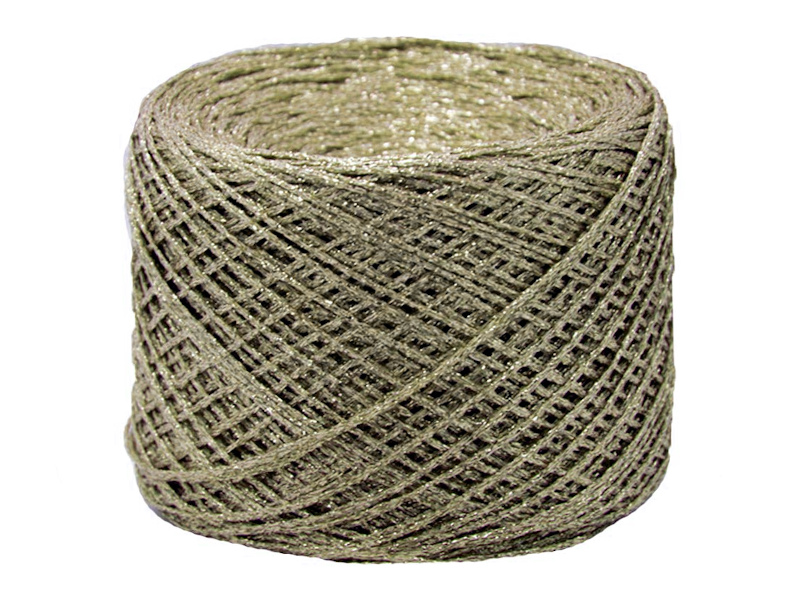
Ribbon knitting yarn is a very popular yarn for making accessories and embellishments for your knitting crafts. However, it is very similar to actual ribbon so working with it presents two major problems right off the bat. First, you have to understand and accept that the ribbon knitting yarn is going to twist and turn a lot while you are working with it off a spool or even many bobbins. There are certain ways around this and while they are not complete solutions, they are often enough to make the work much less tedious and allow you to enjoy your knitting a bit more.

Many flat bobbins are available for a few cents each. These flat bobbins (often scarcely anything more than a small piece of plastic with beveled outer edges to prevent the yarn from slipping off) allow the ribbon knitting yarn to be straightened as you place it on the bobbin itself. Ideally, when you are working with the knitting, the bobbin can be strategically placed so that it flips as you remove the yarn you are stitching with. You may still suffer from a bit of twisting and folding as you work the yarn with your knitting needles but it should be substantially less than you would otherwise encounter working with the ribbon yarn directly from a ball or a skein.

The other problem you will frequently encounter is having the ribbon yarn twisting as you work it with your knitting needles. While this can be frustrating, it is at least to a certain extent, going to be inevitable but you can still minimize the hassles some by being a little creative. My grandmother actually overcame this problem by using crochet needles that had a small hook on the very tip. While the knitting process itself was a bit slower, she would work the yarn as much as she did her knitting and actually got really good at keeping the ribbon relatively straight and uniform. There was still some loss of consistency in some of the stitches but it was kept to a minimum.

The ribbon knitting yarn is very popular for making trim. The addition of beads to the edges of the yarn add a unique touch as well as allowing you to secure the end knots and preventing unraveling or allowing your stitches to work loose. Another very popular use for the ribbon knitting yarn is to create shawls, head dresses and other fashion accessories that can highlight or enhance your hand knitted garments as well.

While the novelty knitting yarns like the ribbon yarn can be a bit more difficult to work with, they can also be very rewarding and add uniqueness to your hand knitted items.

Knitting Yarn Review – Possum Fur Yarn

Wednesday, June 17th, 2009

Using possum yarn is great way to make easy, fast to knit items like hats, scarves and mittens into something very unique and special. Possum fur is usually blended with high quality merino fibres to make a yarn that is light, soft and very warm.

Possum fur fibres are actually hollow, which makes it a natural heat exchanger. This means that garment made of possum-wool blends are very warm in cold weather, and also able to exchange heat when the wearer is active.

This makes possum-wool garments very comfortable and ideal for people who love outdoor activities in colder climates (a great niche to be in as these people are often prepared to spend a lot of money on getting the warmest, most comfortable clothing – think of the prices that high end outdoor and mountaineering brands fetch!)

Some example niche markets are walkers, hikers, mountaineers, golfers, fishermen, kayakers, cross-country and downhill skiiers, mountain bike and push bike riders as well as motorcyclists and vintage car drivers!

Possum wool blends are also very soft to the touch, which means they are an easy item to sell when you can get your customers to feel them and put them on. It is a very lightweight yarn and many times warmer than wool alone, and in knitwear possum fur resists pilling and is a lot fluffier. Possum fur has minimal skin irritation so is suitable for people with sensitive skin.

Possum fur is mostly harvested in New Zealand where the possum is a national pest that causes terrible damage to their world heritage forests. If you buy Supreme Possum Merino yarn they donate 5% of the sale to the preservation of New Zealand environment.

Possum fur yarn is not cheap, but using it will give you superior products that you will be able to charge more for, especially if you target one of the lucrative outdoor activity markets.

Niche Knitting Yarn Review – Bamboo Yarn

Wednesday, March 18th, 2009

One way to make your products unique and specialised for a niche market is to use unique yarns with special properties. A good example is Bamboo Knitting Yarn, which is now becoming very popular.

Bamboo Yarn will give your knitted pieces some fantastic natural advantages that will immediately make them great niche product for babies or people with sensitive skin or allergies.

This amazing natural fibre:

►Gives a beautiful, soft silky yarn that is lightweight and has a lovely lustre

►Does not pill as easily as some yarns

►Is Hypo-allergenic and Anti-bacterial, making it ideal for babies and people who have sensitive skin and can’t wear wool or other fibres. It’s antibacterial qualities also make it an excellent knitting yarn for socks!

►Is lighter than cotton and makes breathable garments with a lovely drape, comfortable for summer wear

►Makes UV protective garments

►Has high moisture absorption and anti-bacterial properties, making it a good choice for washcloths and hand-towels

►Is Ecologically friendly – bamboo is a totally renewable resource, the plant does not have to be destroyed to be harvested, and regrows very quickly. Bamboo plants are very resistant to microbial attack and so do not require chemical sprays. The whole distilling and production process is non-polluting and produces natural and eco-friendly fiber without any chemical additives.

►Is totally plant derived so is suitable for vegans who do not want to wear animal fibres

►Is totally biodegradable

The only down-sides of pure bamboo yarns are that they need to be hand-washed, and they do tend to split while you are knitting with them. Some brands seem to have more knots and imperfections in the yarn than others.

Using Bamboo or wooden needles (not metal needles) is one way to avoid splitting.

Also have a look at the many blended bamboo yarns, which will give you the wonderful properties of bamboo, and reduce the tendency for splitting.  Silk/bamboo blends are popular for a really beautiful shiny finish, and a bamboo/cotton blend for great natural look and absorbent properties.

If you are promoting your bamboo-yarn products as antibacterial, it is best to use 100% bamboo yarn. If you really want to use a blend, then make sure you use one with at least 70% bamboo content to ensure the finished garment still has these antibacterial properties.

Some 100% bamboo yarns that are available:

►Bam Boo by Classic Elite

►Bamboo by Southwest Trading Company

►Just Bamboo by Sirdar

►Bamboo Tape by Rowan

If you have used any of these and have some feedback, leave a comment and let us all know what you thought of it! In the meantime, I’ll keep scouting for other new yarns and blends that will help your knitting business stand out from the crowd!