Knitting For Profit

If you love knitting and have ever wished you could make money from it, then make sure you keep reading because I


Archive for December, 2009

$140,000 A Year From Knitting??

Tuesday, December 22nd, 2009

Yes! You CAN make money knitting, and I am very excited to show you this article from the New York Times…

http://www.nytimes.com/2009/12/17/fashion/17etsy.html?_r=1

It's an etsy success story of a woman who threw in her job to knit full-time and is now earning more that $140,000 a year working from home.

Now admittedly, this is no walk in the park – it's hard work doing that much knitting! But it shows what's possible, and it's really inspiring. Imagine if you were making only half or even a quarter of that amount from working at home and knitting…

So I hope this inspires you, and gives you a good boost in motivation to stay on your knitting for profit journey!

Metallic Knitting Yarn Review

Monday, December 21st, 2009

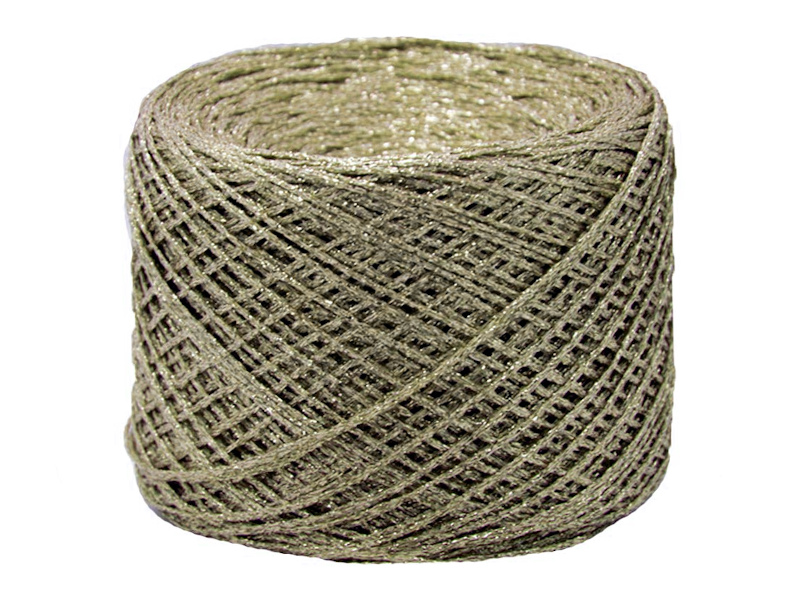
To paraphrase an old movie; “I’m shocked! Shocked I tell you!” While metal knitting yarn has long been used as a decoration, what many people do not know is that it actually serves a very important purpose above and beyond just making your already beautifully knitted garments even more beautiful.

How many times have you picked up a static discharge and gotten shocked by touching someone or something once you have built up enough of that static cling?

In the old days, the most common metal knitting yarns were made out of precious or semi-precious metals and were often associated with the wealthy people and upper classes of society. In modern society, these traditional metal knitting yarns remain very popular and with rare exception, are actually much more affordable for the average person. However, they are not the only types of metals being used any more. These days, it is actually pretty easy to find metal knitting yarn that emulates or looks like the precious metals but in reality is something much more inexpensive but equally enduring in quality and beauty.

Going back to those days of old once more, the oldest examples of metal knitting yarn reveal that the long filaments or fibers of the metal used were actually individually wrapped around some type of fiber base. It was very common for there to be very small gaps in between the wraps in order to allow the underlying fibers to show as well. This gave enough contrast and exposure to the actual metal in the metal knitting yarn to allow it to more easily reflect light and often caused minor changes in color depending on what type of metallic knitting yarn was being used.

These days, the underlying base for the metal knitting yarns is generally another type of metal. The outer wraps are then braided or wrapped on to the base filament creating much the same affect though many would add, with a little more pizzazz. Unfortunately though, even the best of stainless steel can rust over the course of time, so the metal knitting yarn generally must be coated in order to prevent corrosion, color change or fading.

Normally it is not so important to know everything about the creation of your knitting yarn but in the case of metallic knitting yarn, it does help some. There are two very common methods for producing metal knitting yarn and while the end results may look very similar, the actual metal yarn itself is going to be vastly different and will have to be stitched differently … and generally with more difficulty as well. The two, most common methods for creating metal knitting yarn are the laminating process and the metalizing process.

In the laminating process, the metal knitting yarn is coated with some type of preservative that often makes the metal yarn even stiffer and more difficult to work with than it was originally. The metalizing process for creating metal knitting yarn uses a very high temperature to actually turn the metal into a vapor and using high pressure (and precision) machinery, literally blasts the vaporous metal onto a polyester film. The resulting metal knitting yarn is much more flexible and easier to handle and work with.

Any time that you make a knitted garment with the metal knitting yarn, make sure you mark it “Dryclean Only” and “Do Not Iron” as any other method of washing or pressing may very well cause damage to the metal knitting yarn and this could cause problems with the entire garment, not to mention distracting people’s attention from an otherwise beautiful piece of hand made clothing.

If you know a little about the metal knitting yarn before you begin buying it up, you should have a lot easier time learning how to work with it. Remember, not only is the inlay made with metal knitting yarn going to look great, it will help you to prevent many shocking experiences when you are wearing knitted clothes that are more subject to that old static cling.

Cashmere Knitting Yarn Review

Wednesday, December 16th, 2009

Cashmere knitting yarns are well-known for being very soft, comfortable and lightweight while still providing an excellent source of protection against the weather and other elements.

Cashmere Knitting Yarn comes originally from Cashmere Wool but not all of that comes from the region of Kashmir where it originated. In fact, China is the largest producer of both the cashmere wool and not surprisingly perhaps, the cashmere knitting yarn as well.

Cashmere Knitting Yarn is especially well-suited for knitting lightweight garments that come into contact with the skin but still must afford a certain level of warmth and comfort as well. However, due to the fact that cashmere wool makes some of the most luxurious and perhaps expensive knitting yarns, it is rarely used for under clothes but rather for suits that are made for winter wear as well as for blouses and shirts.

Cashmere knitting yarn is among the softest knitting yarns and between that and its price, it is generally reserved for knitting higher-priced items that people can show off as opposed to garments that are normally covered or hidden from view.

The primary reason that cashmere knitting yarn is so expensive is because it is not actually from the wool of the Cashmere Goats but their down fur. The down, no matter whether it come from fowl or mammals, is much softer and also much more scarce than the fur, hair or feathers that grow out of down. The cashmere goats are somewhat unique in that their down actually grows around their fur as something of a sub-growth to keep them warm in colder climates. The wool and the down are harvested at the same time in the Spring when the goats would normally be shedding their coats anyhow.

Pure cashmere knitting yarn is generally spun into lace weight yarn, fingering weight yarn or occasionally as large as double knitting yarn. However, the cashmere knitting yarns are frequently blended with other fibers to add different features to the yarn and the finished, knitted garments. The blended cashmere knitting yarn is also generally much cheaper than the pure cashmere yarns.

Some of the fancier cashmere blended knitting yarns are blended with silk. These yarns still generally remain very expensive though. One of the most common blends for cashmere yarn is with different types of wool. This allows the yarn to be spun much thicker and giving it more elasticity as well as retaining the ability to keep people warm. It also helps to sell cashmere knitting yarns at discounted prices.

While this is not a major issue for everyone, it can be a great benefit if you are just learning how to knit and do not want to spend a lot of money experimenting with different types of yarn to make garments that may or may not be all you thought they would when you started the knitting project. Still, both the blended and pure cashmere knitting yarns are generally very easy to work with and according to some people at least, as pleasurable to knit with as they are to wear.

Alpaca Knitting Yarn Review

Tuesday, December 15th, 2009

The traditional Alpaca Knitting Yarn comes from the South American Alpaca. The Alpaca is very similar to the Llama though much smaller and with longer hair. The hair of the young Alpaca is generally much softer and the preferred thread for making Alpaca Knitting Yarn. The hair from the older animals is much longer and while it still has many of the same favorable properties, the yarn tends to be more coarse and less comfortable for the production of hand-knitted garments. These days however, Alpaca knitting yarn comes from many different sources including other animal and even synthetic forms.

The natural or traditional Alpaca Knitting Yarn has many properties that make it an excellent choice for many knitted garments. The yarn is very elastic in nature so works great for knitting anything that may need to stretch and contract to fit comfortably. The lack of the Lanolin (such as is often found in knitting yarn made from sheep’s wool) also makes the natural Alpaca Yarn hypoallergenic in nature or very unlikely to cause any allergic reactions. The “wool” or hair of the young alpaca is unusually luxurious and silky making it a very comfortable yarn for knitted clothing that comes into direct contact with the skin.

One of the very popular features of the alpaca yarn is its natural ability to stave off the weather. The Alpacas are traditionally found in elevated areas where the temperatures get very cold. The hair is great for fending off both moisture and cold. The Alpaca yarn can be spun as everything from a bulky yarn to a lace thread depending on how it is spun making it an extremely versatile material for making yarns and knitted garments of all manner. Alpaca fiber is also regularly used in blended knitting yarns as well both to strengthen and beautify the end product.

Many variations of the Alpaca knitting yarn are available these days. The alpaca fibers are regularly combined with wool, mohair and even silk and synthetic fibers to create some extremely beautiful and hearty knitting yarns. The term Alpaca Knitting Yarn actually refers more to the style and quality of the yarn these days as opposed to the actual yarn made from the Alpaca hair fibers.

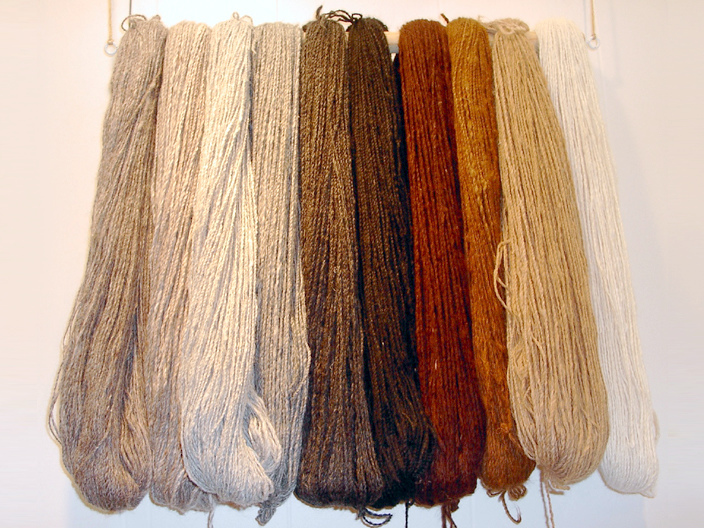
The natural knitting yarns made from the actual Alpaca hair fibers come in a variety of natural colors that are frequently used for spinning yarn. The shades of color run almost the entire spectrum through reds and browns and even some black and grey. The white alpaca knitting yarn is the most popular and the most common however, as it is the easiest one to dye and create into a wider range of colors for knitted clothes and even cloth.

While there are still many efforts under way to increase both the production of Alpaca Knitting yarns as well as finding new and improved variants and combinations, the Alpaca yarn is readily available almost anywhere. The weight of the yarn is variable allowing you to find it for just about anything that you ever wanted to knit by hand or by machine. It may be reminiscent of an old commercial for many people but it is also true … with a name like Alpaca, it has to be good. The Alpaca Knitting Yarns available on the market today remain among the most popular types of knitting yarn for a reason.

Worsted Knitting Yarn Review

Wednesday, December 2nd, 2009

Beginner knitters are often confused by the term "worsted" knitting yarn because it refers sometimes to weight and sometimes to the makeup of the yarn itself. If you have ever had problems discerning exactly what was meant by “worsted yarn” in one of your patterns, keep this article handy and you should be able to figure it out in short order by looking at a couple of key points about worsted knitting yarns. The first thing you have to figure out is whether it is the weight of the yarn or the type of the yarn being discussed in the pattern.

Worsted Weight Knitting Yarns

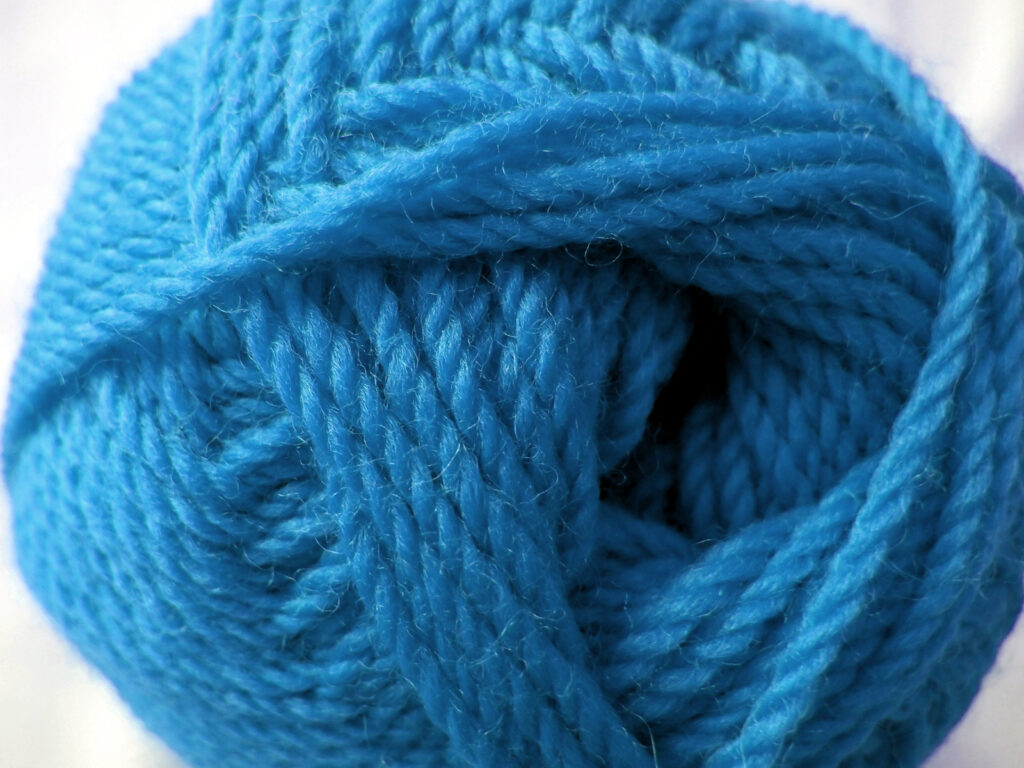
If you hear the term “Worsted Weight” when someone is referring to knitting yarn it is generally going to be a medium size yarn. The worsted weight knitting yarn will usually allow four to five stitches per inch. It is a very popular weight for making everything from afghans to sweaters to hats and mittens. The “worsted nature” of the yarn also makes it exceptionally easy for beginners and experienced knitters alike since it is generally very smooth and strong.

Worsted Spun Yarn (Also sometimes known as True or Pure Worsted Yarn)

Originally, worsted spun yarn only referred to wool yarn but the difference between the woolen yarn and the worsted yarn was in the actual preparation and spinning process of the yarn. The term itself comes from the English town of Worstead in Norfolk England. An influx of weavers, tailors and other textile workers in the 1200s made this one of the leading centers in the world for the production of textiles. The spinning process was first recognized there and that is where the term Worsted has its origins.

The preparation process is the first step in the production of worsted knitting yarn that separates it from the woolen yarns. When sheep were still shorn by hand, the process was actually easier and there are still some of the more expensive yarns that utilize this process but that is a different story. When the wool is shorn, the wool is all kept in the same direction meaning that the roots and the ends will all still be facing the same direction.

After this wool has been combed out, the short fibers (any fibers under three inches or about seven and one half centimeters) are removed so that only lengthy fibers remain. They are then combed out individually until they are flat and kept parallel to one another. When the worsted yarn is spun, the placement of the fibers all running in one direction keep the yarn thinner and having a tighter “braid” so that the finished worsted spun knitting yarn has much less space for air or anything else to get through it. This made the worsted spun yarn very popular for the creation of many knitted items.

The Worsted Knitting Yarn is not usually going to be as flexible as the woolen yarn due to the tighter braid. As such, the worsted knitting yarn is not always the best choice for garments that will be worn as an outermost layer and may need to be stretched over other clothes or otherwise require so it may not be the best choice for some items that do require more elasticity.

Today, you can easily purchase worsted yarn that is made from wool, cotton and even acrylic fibers. While the actual fiber base for the knitting yarn may be a bit different, the worsted spun knitting yarn will be a tighter bound yarn and as such, an excellent choice for many of your knitting creations. There is a very good reason that the worsted yarn remains one of the most popular among knitters of all ages and experience levels.